IT services · Software development
Software, built deliberately.
SELY LOGISTICS LTD designs, builds and maintains software systems — from web applications and APIs to the cloud infrastructure they run on.
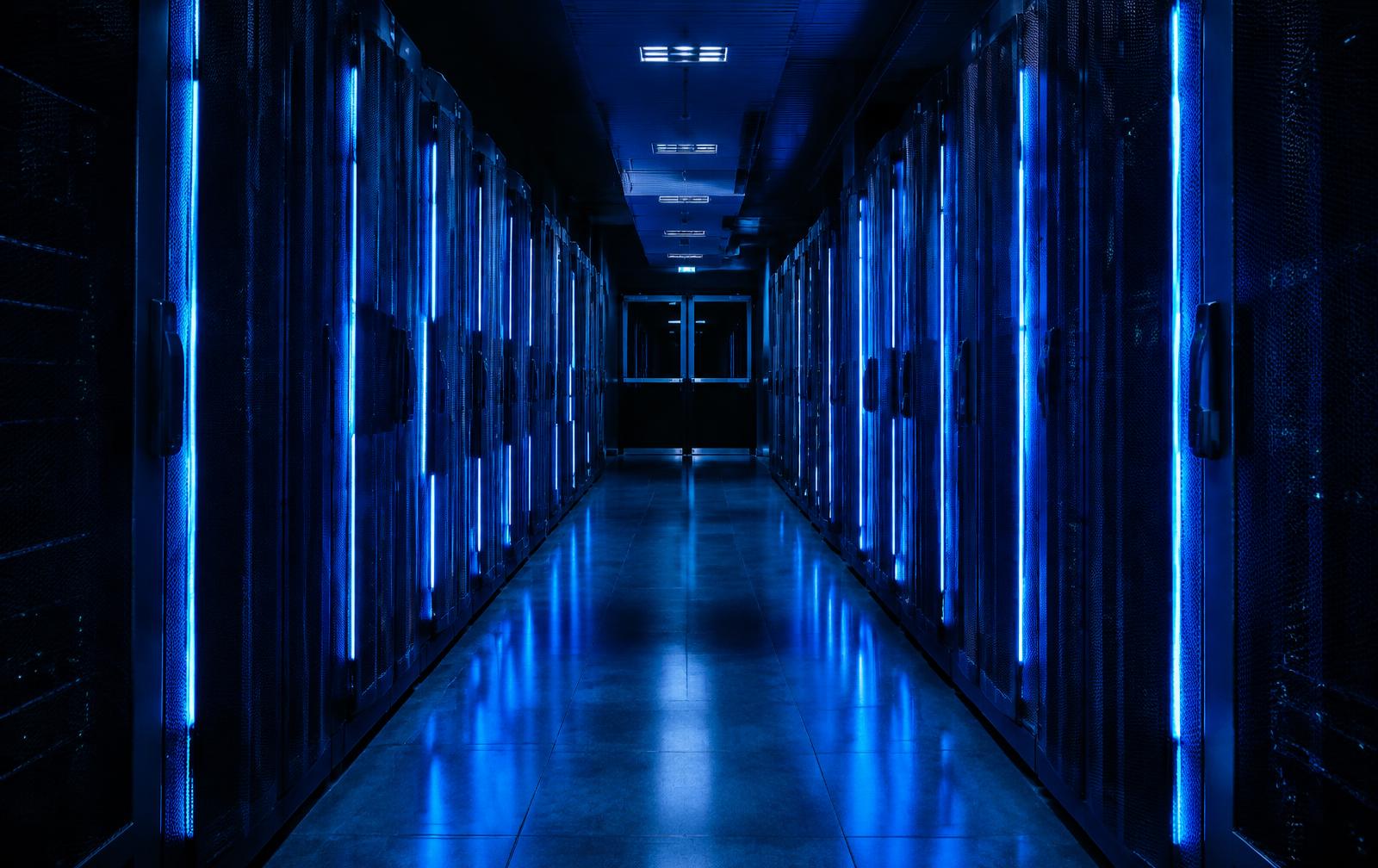
Fig. 01 — Infrastructure
An IT company focused on dependable, maintainable systems.
The name says logistics; the work is software. SELY LOGISTICS LTD helps organisations plan, build and operate digital products, with an emphasis on clear communication, readable code and documentation that outlives any single project.
Six disciplines, one engineering practice.
01
Software engineering
Back-end services, front-end interfaces and the glue between them, written to be read by the next engineer.
02
Web platforms
Browser-based applications built with modern frameworks, server rendering and accessible interfaces.
03
Cloud & infrastructure
Environments described as code, with deployment pipelines and monitoring considered from the start.
04
Integration
APIs and data flows that connect existing tools instead of replacing what already works.
05
Automation
Scripts, workers and scheduled jobs that remove repetitive manual steps from everyday operations.
06
Quality & testing
Automated and manual checks planned alongside the features they protect.

Custom software shaped around real workflows.
Bespoke applications are designed from the problem outward: who uses the system, what data it handles and which constraints matter. The result is software that fits the organisation rather than forcing the organisation to fit the software.
- Requirements captured as clear, testable statements
- Modular architecture that can grow in stages
- Version control, code review and repeatable builds
The browser as an application platform.
Interfaces
Responsive layouts for phone, tablet and desktop, with accessibility treated as a requirement.
Rendering
Server rendering or static generation where it helps speed and search visibility.
Data
Well-defined APIs and validation at every boundary between client and server.
Performance
Attention to load size, image formats and caching from the first release.

Infrastructure you can read, reproduce and reason about.
Cloud environments are planned around the application's actual needs: compute, storage, networking and access control. Configuration is kept in version control so environments can be recreated and changes reviewed.
- Infrastructure as code
- CI/CD pipelines
- Logging & monitoring
- Backup planning
Connecting the tools you already rely on.
Many organisations run on a mix of platforms that do not talk to each other. Integration work maps how data should move, builds the connections through APIs or scheduled jobs, and adds error handling so failures are visible rather than silent.
Source system
→ API / webhook
→ Validation & mapping
→ Target system
→ Logs & alerts
A visible path from idea to release.
01
Discovery
Clarify the problem, constraints, users and what a successful first release looks like.
02
Definition
Agree scope, architecture outline and priorities in writing before build work begins.
03
Build
Deliver in short increments, each one reviewable and runnable.
04
Verify
Test against agreed acceptance criteria, then review together.
05
Release
Deploy with documented steps and a clear rollback path.
06
Support
Agree how fixes, updates and further development are handled after launch.
Testing is planned, not appended.
Unit tests
Check individual functions and modules in isolation.
Integration tests
Confirm that components and external services work together.
End-to-end checks
Exercise key user journeys in a real browser.
Review
Every change is read by another person before it ships.

Security considered at every layer.
Security is approached as a set of everyday habits rather than a final checkbox. These practices reduce risk; no software can be described as risk-free.
- Least-privilege access
- Input validation
- Secrets kept out of code
- Dependency updates
- Encrypted connections
- Audit-friendly logging
Working alongside your team.
Engagements can take the form of a defined project, ongoing development support or a focused consulting review. In each case, progress is shared regularly, decisions are written down and you keep access to the code and documentation.
Project
Ongoing
Consulting

Frequently asked questions
- What kind of work does SELY LOGISTICS LTD take on?
- IT services and software development: custom applications, web platforms, cloud infrastructure, API integration, automation, maintenance of existing systems, testing and technical consulting.
- Despite the name, is this a logistics company?
- No. SELY LOGISTICS LTD operates as an IT services and software development business.
- Can you work on an existing codebase?
- Yes. Maintenance and modernisation of existing software is part of the service offering, starting with a review of the current code and environment.
- How is a project scoped?
- Through a written description of goals, constraints and deliverables, agreed before development starts. Scope can be revisited as the project evolves.
- Who owns the delivered code?
- Ownership and licensing of deliverables are defined in the agreement for each engagement.
- How do I start a conversation?
- Send an email to [email protected] describing your project, as outlined in the contact section below.
13 — Contact
Describe your project by email.
Include a short summary of what you want to build or improve, any existing systems involved and your preferred timeline.